Scope guide
When pool demolition & removal deserves a closer look
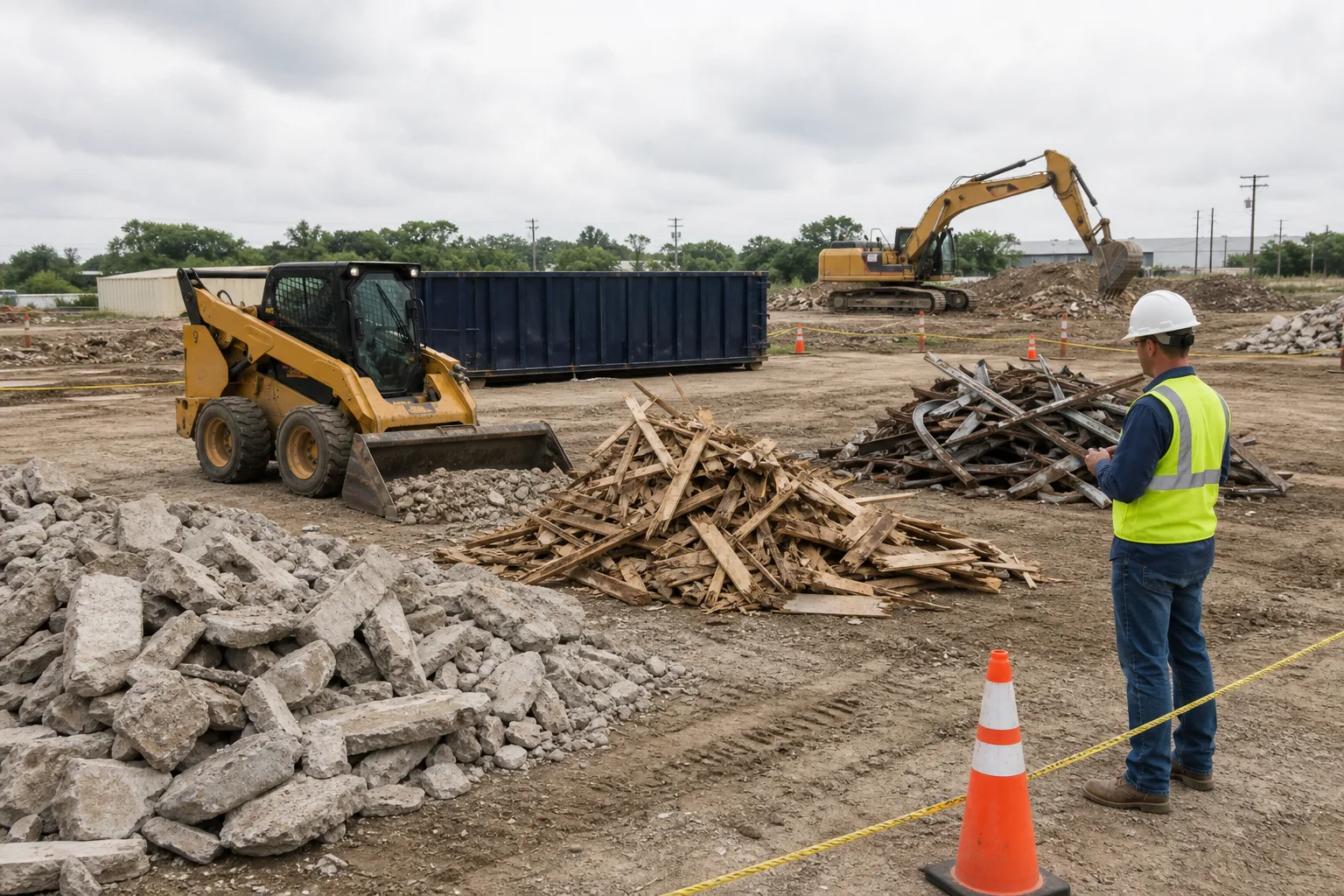
Evaluate drainage, access, shell removal, fill material, compaction, and the intended future use before choosing a pool-removal method. The first conversation should establish what changed, how the property is used, which areas cannot be interrupted, and what a finished result must accomplish.
Common signals
- unused pool
- leaking shell
- high maintenance burden
- planned yard redesign
Typical scope elements
- method selection
- utility and drainage review
- shell removal
- engineered fill sequence
Start with a documented site walk
A useful pool demolition & removal estimate starts at the property, not with a stock unit price. Photograph unused pool from more than one angle, note where it appears, and record what changes during rain, heat, traffic, or normal use. That first walk should also identify where method selection may be needed and which areas have to remain accessible.
In Lake Charles, storm-damaged buildings that require a structural and utility review before removal can change what looks like a straightforward repair or installation. Properties around Westlake often include residential removals, industrial-adjacent sites, and storm-damaged structures. Bring dated photographs, field notes, and a marked-up plan to the first contractor conversation so the discussion stays tied to this site instead of a generic package.
Map how the property is actually used
The work area has to function before, during, and after the job. Trace how residents, customers, vehicles, equipment, runoff, and deliveries move through the property. If leaking shell is near a gate, entry, drain, loading area, or shared route, access planning may be just as important as utility and drainage review.
older homes and commercial buildings where asbestos, lead, or other regulated materials may be present is a familiar planning concern around Lake Charles. A bidder should explain staging, protection, and the point at which each area can safely return to service. Ask for an access plan that shows work zones, traffic, deliveries, and emergency routes; it makes schedule promises easier to evaluate and reduces avoidable conflicts once crews arrive.
Put the project limits on paper
Vague boundaries create vague proposals. Mark where pool demolition & removal begins and ends, whether engineered fill sequence is included, and how adjacent defects will be handled. If planned yard redesign sits outside the main work area, decide whether it is excluded, repaired now, or listed as an option.
This matters on Lake Charles properties because older homes and commercial buildings where asbestos, lead, or other regulated materials may be present. A clear boundary also lets bidders account for the conditions common near Iowa, including rural structures, mobile homes, barns, and site clearing. Request measured limits, quantities, exclusions, and separately priced options before comparing totals; two prices are not comparable when they describe different jobs.
Measure the real quantities
Field dimensions should control the proposal. Count, measure, and locate the areas associated with planned yard redesign; then verify slopes, transitions, edges, and difficult access. Old plans and aerial images are useful references, but they rarely show recent repairs, settlement, landscaping changes, or the exact amount of engineered fill sequence required.
Ask the contractor to provide a field takeoff that another bidder can follow and check. The numbers should be understandable without reverse-engineering a lump sum. On sites near DeQuincy, where older buildings, detached structures, and debris removal, careful measurement can reveal mobilization or hand-work requirements that are easy to miss during a quick visit.
Deal with existing conditions first
leaking shell may be the visible complaint, but it does not automatically identify the cause. Check nearby joints, drainage paths, previous patches, utilities, roots, and transitions before selecting a correction. Existing damage may need to be stabilized before utility and drainage review can produce a durable result.
Lake Charles projects also have to account for Calcasieu Parish and City of Lake Charles permit, disconnect, and disposal requirements. Have each bidder state which existing conditions are included, which require a change in scope, and how hidden problems will be documented. Condition notes for damaged surfaces, earlier repairs, utilities, roots, and obstructions gives the owner a factual baseline if the plan changes.
Match the material to the exposure
Material names alone are not enough. The proposal should connect the selected system to utility and drainage review, expected use, maintenance, sunlight, moisture, abrasion, and the existing substrate. Ask what would make the installer reject or postpone the work rather than applying a product in unsuitable conditions.
Around Lake Charles, storm-damaged buildings that require a structural and utility review before removal deserves specific attention. A system that performs well on one property may not be the right choice near Welsh, where projects often involve houses, sheds, agricultural structures, and concrete removal. Keep a named material system with product data and installation requirements with the proposal so substitutions cannot happen without a documented review.
Spell out the preparation
Preparation is part of the installation, not a line item to assume. The written scope should describe cleaning, removal, excavation, drying, masking, protection, compaction, or testing that must happen before shell removal. It should also state how the crew decides the surface or base is ready.
When high maintenance burden is already present, skipped preparation usually returns as an early failure. Storm-damaged buildings that require a structural and utility review before removal can make that risk more pronounced in Lake Charles. Ask for a preparation sequence with clear acceptance criteria before installation begins, along with photographs of the prepared condition before it is covered.
Plan the sequence and site access
A credible schedule separates mobilization, active work, cure time, inspections, cleanup, and reopening. It should show when method selection occurs and what happens if weather, access, or a hidden condition delays the next step. Phasing may cost more, but it can keep critical portions of the property usable.
This is especially relevant near Lake Arthur, where water-exposed properties, storm cleanup, and structural removal. Combine those operating limits with older homes and commercial buildings where asbestos, lead, or other regulated materials may be present, then request a practical phasing plan with closure, staging, and reopening times. Owners should know who moves vehicles or furnishings, who communicates closures, and who approves a changed sequence before the start date.
Protect drainage and nearby surfaces
Pool Demolition & Removal should not create a second problem elsewhere on the property. Identify drains, planting, walls, finished surfaces, neighboring parcels, and public areas before work begins. The plan should explain where debris, wash water, excavated material, coatings, or displaced runoff will go.
For a Lake Charles site, older homes and commercial buildings where asbestos, lead, or other regulated materials may be present makes protection and cleanup more than housekeeping. Ask for assigned responsibility for containment, cleanup, runoff, and property protection and confirm it during the pre-work walk. If unused pool is linked to drainage or movement, the contractor should explain how the proposed work avoids shifting that problem to another area.
Understand what moves the price
The total price usually reflects more than material and square footage. Access, demolition, disposal, equipment, protection, pattern or detail work, inspections, and schedule restrictions can matter as much as utility and drainage review. Ask bidders to identify assumptions instead of hiding them inside one number.
Conditions around Westlake—including residential removals, industrial-adjacent sites, and storm-damaged structures—can affect labor and mobilization. So can Calcasieu Parish and City of Lake Charles permit, disconnect, and disposal requirements. Request an itemized proposal that separates quantity, preparation, access, disposal, and allowances; then compare preparation, quantities, exclusions, and change-order terms side by side before treating one proposal as the lower-cost option.
Resolve permits and approvals early
Approval requirements depend on the exact work, location, property type, utilities, drainage, structural implications, and public interfaces. Before authorizing pool demolition & removal, confirm the current requirements with the appropriate city, county, utility, association, or other authority. Do not rely on a permit assumption carried over from a different project.
Ask for a list of required approvals and the party responsible for each one. On Lake Charles properties affected by Calcasieu Parish and City of Lake Charles permit, disconnect, and disposal requirements, an early agency or design question can control the schedule. The contractor should also identify inspections, owner documents, and access arrangements needed before the work associated with engineered fill sequence begins.
Finish with records and a maintenance plan
Walk the finished work with the approved proposal and site plan in hand. Check the areas connected to planned yard redesign, review any changes, and photograph details before equipment and protection are removed. Product names, quantities, dates, weather, and care instructions should be recorded while they are still easy to verify.
The final handoff should include closeout photographs, product information, warranty terms, and inspection dates. Keep those materials with the property file, especially when storm-damaged buildings that require a structural and utility review before removal may influence future maintenance in Lake Charles. A concise record makes later repairs, warranty questions, and contractor comparisons more straightforward.
Frequently asked questions
Clear answers before the first site visit.
How much does pool demolition & removal cost in Lake Charles?+
Price depends on measured quantity, preparation, access, materials, disposal, phasing, and what is found beneath the visible condition. A useful estimate names those variables and explains its allowances instead of promising a total from one photograph.
How long does pool demolition & removal take?+
The schedule depends on the work area, crew access, weather, curing or inspection requirements, and whether the property must remain open. Ask for dates that separate active work from drying, inspection, cleanup, and reopening.
What belongs in a Lake Charles proposal?+
Look for field quantities, preparation, a named material or system, access and protection, cleanup, schedule, exclusions, change-order terms, and the credentials of the company that will perform the work.
Can the property remain open during the work?+
Some projects can be phased. The answer depends on safe separation, alternate routes, emergency access, noise, dust, equipment movement, and curing. Put the operating plan in writing before the start date and share it with affected occupants.
How long does it take to demolish a 30-by-40-foot house?+
The physical demolition may take only a few days, but the complete schedule also includes utility disconnects, permit review, regulated-material surveys, mobilization, debris sorting, hauling, and final grading. Access, construction type, weather, and disposal volume matter more than footprint alone.
Why was the Capital One building in Lake Charles demolished?+
The former tower sustained severe hurricane damage and its condition became a prominent local example of how storm exposure, structural safety, ownership decisions, and redevelopment plans can shape a demolition project. A private property still needs its own engineering and regulatory review.
What is a controlled demolition charge?+
It is an engineered use of explosives to make a structure collapse in a planned manner. Most residential and small commercial projects in the Lake Charles area use mechanical or selective demolition instead, with excavators, hand work, saw cutting, and managed debris removal.
What hurricane destroyed parts of Lake Charles?+
Hurricane Laura caused catastrophic damage in 2020, followed by Hurricane Delta. Those storms still influence local work through damaged assemblies, repaired structures, insurance documentation, and the need to distinguish cosmetic damage from unsafe structural conditions.